Lower back pain affects millions of Americans every year. Whether it’s caused by sitting at a desk all day, lifting heavy objects, poor posture, or simply getting older, back pain can make even simple tasks feel difficult.
The good news? You don’t always need an hour-long workout to start feeling better.
In fact, many physical therapists recommend short, consistent exercise routines that improve mobility, reduce stiffness, and strengthen the muscles supporting your spine. Just five minutes a day can be a great place to start.
This guide introduces a gentle lower back exercise routine that many people can perform at home. These exercises are intended for general back stiffness and mild discomfort—not for severe injuries or medical emergencies. If your pain is intense, follows an accident, or is accompanied by numbness, weakness, or loss of bladder or bowel control, seek medical attention promptly.
Why Short Exercise Sessions Can Make a Difference
When your back hurts, your first instinct may be to rest. While short periods of rest can help after an acute injury, staying inactive for too long often leads to:
- Increased stiffness
- Weaker core muscles
- Reduced flexibility
- Poor posture
- Slower recovery
Gentle movement encourages blood flow, keeps joints mobile, and helps your muscles support the spine more effectively.
The key isn’t exercising harder—it’s exercising consistently.
Before You Start
These exercises should feel comfortable.
Keep these tips in mind:
- Move slowly and smoothly.
- Never force a stretch.
- Breathe normally throughout each exercise.
- Stop immediately if your pain becomes sharp or significantly worse.
A yoga mat or carpeted floor can make the routine more comfortable.
Exercise 1: Pelvic Tilts (1 Minute)
Pelvic tilts gently activate your abdominal muscles while improving movement in the lower spine.
How to do it
- Lie on your back with both knees bent.
- Keep your feet flat on the floor.
- Tighten your abdominal muscles.
- Gently flatten your lower back against the floor.
- Hold for five seconds.
- Relax.
Repeat slowly for one minute.
Benefits
- Improves spinal mobility
- Activates core muscles
- Reduces lower back stiffness
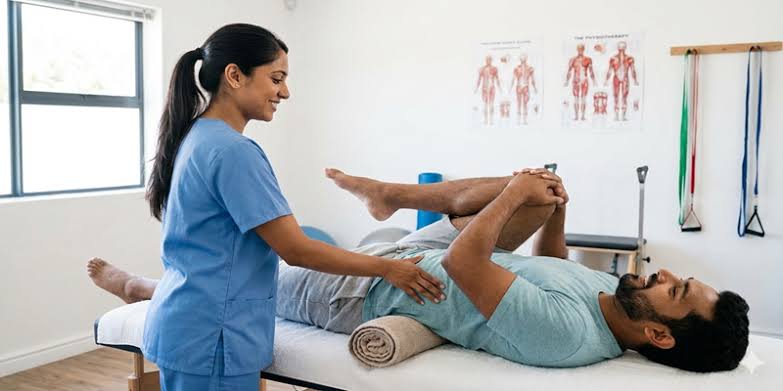
Exercise 2: Knee-to-Chest Stretch (1 Minute)
This stretch helps relieve tension in the lower back and hips.
How to do it
- Stay on your back.
- Bring one knee toward your chest.
- Hold for 20 seconds.
- Switch legs.
- Repeat several times.
Benefits
- Stretches the lower back
- Relaxes hip muscles
- Improves flexibility

Exercise 3: Cat-Cow Stretch (1 Minute)
This classic movement gently mobilizes the spine.
How to do it
- Position yourself on your hands and knees.
- Slowly round your back upward.
- Then gently arch your back while lifting your head.
- Continue moving slowly between both positions.
Benefits
- Increases spinal flexibility
- Reduces stiffness
- Encourages healthy movement
Exercise 4: Bird Dog (1 Minute)
Bird Dog strengthens the muscles that stabilize your spine.
How to do it
- Stay on your hands and knees.
- Extend your right arm forward.
- Extend your left leg backward.
- Hold for a few seconds.
- Return to the starting position.
- Repeat on the opposite side.
Benefits
- Improves balance
- Strengthens the core
- Supports the lower back
Exercise 5: Child’s Pose (1 Minute)
Finish your routine with a gentle stretch.
How to do it
- Kneel on the floor.
- Sit back toward your heels.
- Reach your arms forward.
- Lower your chest comfortably toward the floor.
- Breathe deeply.
Benefits
- Relaxes back muscles
- Reduces tension
- Promotes flexibility
Why Physical Therapists Recommend These Exercises
These movements target several key areas involved in lower back health:
- Core stability
- Hip mobility
- Spinal flexibility
- Muscle coordination
- Posture
Rather than focusing on one muscle, they encourage your body to move as a coordinated system.
For many people with non-specific lower back pain, this approach is more effective than simply stretching one area.
Additional Tips to Reduce Lower Back Pain
Exercise works best when combined with healthy daily habits.
Try to:
- Stand up every 30–60 minutes if you have a desk job.
- Lift objects using your legs instead of your back.
- Sleep on a supportive mattress.
- Maintain a healthy body weight.
- Walk regularly.
- Avoid sitting in one position for long periods.
These small changes can reduce strain on your spine throughout the day.
When Should You See a Physical Therapist?
Home exercises can be helpful, but they’re not a substitute for professional care if your symptoms persist.
Consider scheduling an evaluation if:
- Pain lasts longer than two weeks.
- Your pain keeps returning.
- Walking becomes difficult.
- You notice numbness or tingling in your legs.
- Your back pain limits work, sleep, or daily activities.
A physical therapist can assess your posture, strength, flexibility, and movement patterns to create a personalized treatment plan.
Frequently Asked Questions
Yes. Short, consistent exercise sessions can improve flexibility, strengthen supporting muscles, and reduce stiffness over time.
For many cases of mild or non-specific back pain, gentle movement is recommended. However, stop if your pain becomes severe or you experience new neurological symptoms.
Many people perform them once or twice daily, depending on comfort and guidance from their healthcare provider.
Yes. Physical therapy is one of the most common non-surgical treatments for chronic lower back pain and focuses on improving movement, strength, and function.
Stop immediately if you develop severe pain, dizziness, numbness, weakness, or any symptoms that concern you, and seek medical advice.