A stroke can change a person’s life in a matter of minutes. Everyday activities such as walking, speaking, eating, or even getting dressed may suddenly become difficult. Fortunately, stroke rehabilitation can help many survivors regain independence, improve mobility, and rebuild confidence over time.
While every recovery journey is different, understanding how stroke rehabilitation works can help patients and their families make informed decisions about treatment and long-term care.
What Is Stroke Rehabilitation?
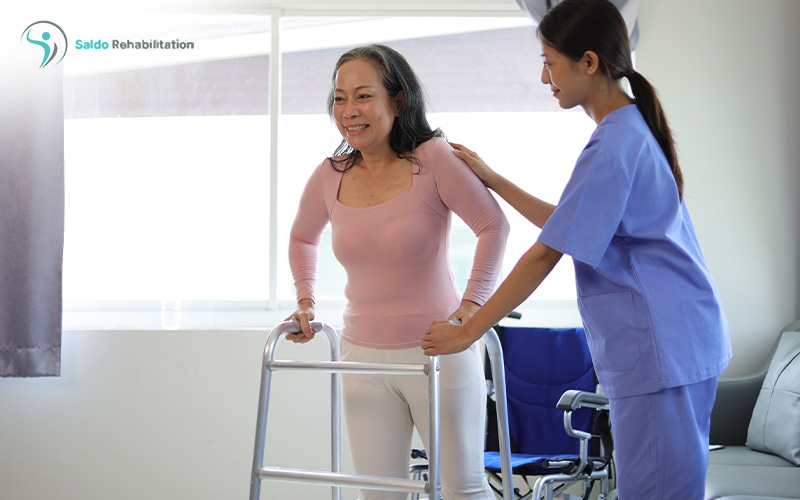
Stroke rehabilitation is a specialized treatment program designed to help people recover physical, cognitive, and communication skills that may have been affected by a stroke.
The primary goal is to help patients regain as much independence as possible while improving their quality of life. Rehabilitation often involves a team of healthcare professionals working together to address different aspects of recovery.
Depending on the severity of the stroke, rehabilitation may begin within days after hospitalization and continue for several months or even years.
Why Is Stroke Rehabilitation Important?
After a stroke, the brain must relearn certain skills and create new pathways to compensate for damaged areas. This process, known as neuroplasticity, allows the brain to adapt and recover function over time.
Without rehabilitation, many stroke survivors may experience ongoing challenges such as:
- Difficulty walking
- Muscle weakness
- Poor balance
- Speech problems
- Reduced coordination
- Difficulty swallowing
- Memory and cognitive issues
Early and consistent rehabilitation can significantly improve recovery outcomes and help reduce long-term disability.
When Should Stroke Rehabilitation Begin?
In many cases, rehabilitation begins within 24 to 48 hours after a patient’s condition stabilizes.
Research has shown that early intervention often leads to better outcomes because the brain is particularly responsive to rehabilitation efforts during the first few weeks after a stroke.
However, recovery can continue well beyond the initial stages. Many patients continue to make meaningful improvements months or even years after their stroke through ongoing therapy and exercise.

Types of Stroke Rehabilitation
Recovery programs are typically customized based on each patient’s specific needs and limitations.
Physical Therapy
Physical therapy focuses on restoring strength, mobility, balance, and coordination.
A physical therapist may help patients:
- Improve walking ability
- Increase muscle strength
- Enhance balance
- Reduce fall risk
- Improve joint flexibility
- Regain functional movement
For many stroke survivors, physical therapy becomes one of the most important components of rehabilitation.
Occupational Therapy
Occupational therapists help patients relearn everyday activities such as:
- Dressing
- Bathing
- Cooking
- Eating
- Using household items
The goal is to improve independence and make daily tasks easier to manage.
Speech and Language Therapy
Some stroke survivors experience difficulty speaking, understanding language, reading, or swallowing.
Speech therapists help patients improve:
- Communication skills
- Language comprehension
- Speech clarity
- Swallowing function
Cognitive Rehabilitation
A stroke can affect memory, attention, problem-solving abilities, and decision-making skills.
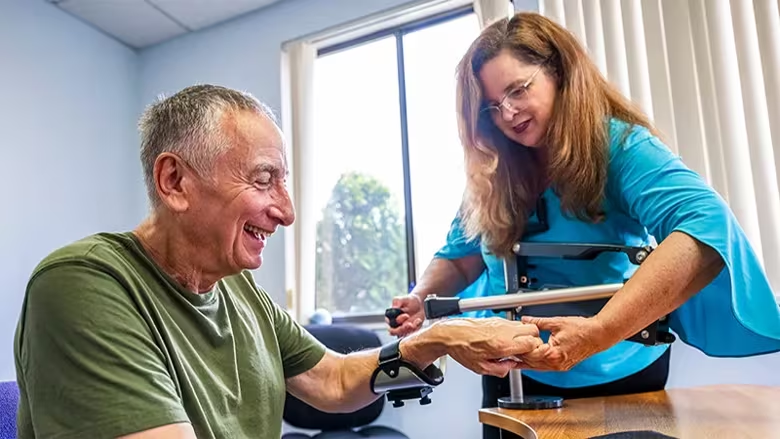
Cognitive rehabilitation helps patients strengthen these mental functions through structured exercises and therapy programs.
Common Challenges During Stroke Recovery
Every recovery journey is unique, but several challenges are frequently encountered.
Weakness on One Side of the Body
Many stroke survivors experience hemiparesis, which causes weakness on one side of the body. This can affect walking, arm movement, and daily activities.
Balance Problems
Balance difficulties are common and can increase the risk of falls. Specialized balance training exercises can help improve stability.
Muscle Spasticity
Some patients develop muscle stiffness or involuntary muscle contractions that limit movement and flexibility.
Fatigue
Stroke-related fatigue can persist for months after the event and may interfere with rehabilitation progress.
Emotional Changes
Depression, anxiety, frustration, and mood changes are common after a stroke and should be addressed as part of the recovery process.
How Long Does Stroke Rehabilitation Take?
Recovery timelines vary significantly from person to person.
Some individuals recover quickly, while others require ongoing therapy for months or years.
First Few Weeks
Patients often experience the most rapid improvements during the first several weeks after a stroke.
First Three Months
Many survivors continue to regain mobility, strength, and function during this period.
Six Months and Beyond
Recovery often slows but can continue long after the initial stroke. Consistent therapy and exercise remain important for maximizing long-term outcomes.
It’s important to remember that progress is rarely linear. Small improvements can add up over time.
Exercises Commonly Used in Stroke Rehabilitation
Therapists often recommend exercises designed to improve strength, coordination, and mobility.
Examples include:
Seated Leg Raises
These exercises help strengthen the lower body and improve walking ability.
Sit-to-Stand Training
This activity helps patients safely transition from sitting to standing and improves functional independence.
Arm Reaching Exercises
Used to improve upper-body coordination and restore arm function.
Balance Exercises
These activities help reduce fall risk and improve stability while standing and walking.
Walking Practice
Gait training is commonly used to help patients regain safe and efficient walking patterns.
Patients should always follow a rehabilitation program prescribed by qualified healthcare professionals.
Can Stroke Survivors Fully Recover?
Some stroke survivors achieve near-complete recovery, while others may continue to experience long-term challenges.
Several factors influence recovery potential, including:
- Stroke severity
- Location of brain damage
- Age
- Overall health
- Speed of treatment
- Participation in rehabilitation
Although complete recovery is not always possible, rehabilitation can often help patients achieve significant improvements in function and independence.
How Family Members Can Support Recovery
Family support plays an important role in successful rehabilitation.
Helpful strategies include:
- Encouraging participation in therapy
- Assisting with home exercises
- Creating a safe living environment
- Providing emotional support
- Celebrating progress and milestones
A strong support system can improve motivation and long-term outcomes.
Signs That Rehabilitation Is Working
Progress may occur gradually, but common indicators include:
- Improved walking ability
- Better balance
- Increased strength
- Greater independence
- Improved communication skills
- Enhanced confidence
Even small improvements can have a meaningful impact on daily life.
Frequently Asked Questions
Most rehabilitation exercises are designed to be safe and manageable. Some patients may experience mild soreness as strength and mobility improve.
Yes. Stroke rehabilitation can be effective for patients of all ages, including older adults.
The frequency of therapy depends on the patient’s condition, goals, and treatment plan. Many patients attend multiple sessions per week during early recovery.
Delayed rehabilitation may slow recovery and increase the risk of long-term disability. Early intervention is generally recommended whenever possible.
More:
- Top Physical Therapy Clinics in Los Angeles for Faster Recovery
- Physical Therapy for Lower Back Pain: Treatment Options and Benefits
- How Much Does Physical Therapy Cost Without Insurance?