Lower back pain is one of the most common health complaints in the United States, affecting millions of adults every year. For some people, the discomfort lasts only a few days, while others struggle with chronic pain that interferes with work, exercise, and daily activities.
Fortunately, physical therapy is often one of the most effective non-surgical treatments for lower back pain. A structured rehabilitation program can help reduce pain, improve mobility, strengthen supporting muscles, and lower the risk of future flare-ups.
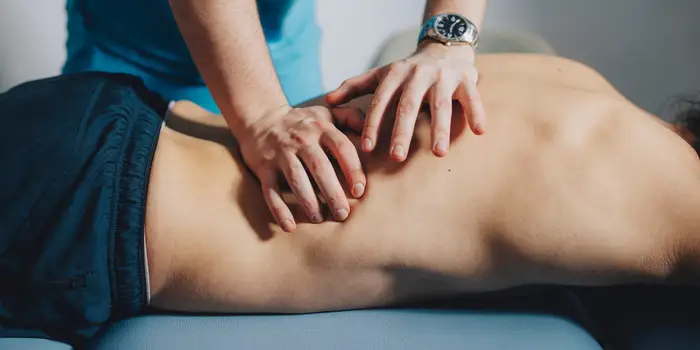
If you’re wondering whether physical therapy can help your back pain, this guide explains what to expect and how treatment works.
What Causes Lower Back Pain?
Lower back pain can develop for many reasons, ranging from temporary muscle strain to more complex spinal conditions.
Some of the most common causes include:
- Muscle strains
- Ligament sprains
- Herniated discs
- Degenerative disc disease
- Arthritis
- Sciatica
- Poor posture
- Weak core muscles
- Repetitive movements
- Sports injuries
In many cases, pain develops gradually due to a combination of poor movement habits, muscle weakness, and lifestyle factors.
How Physical Therapy Helps Lower Back Pain
Physical therapy focuses on identifying and treating the underlying causes of pain rather than simply masking symptoms.
A physical therapist will typically evaluate:
- Posture
- Flexibility
- Core strength
- Walking patterns
- Range of motion
- Functional limitations
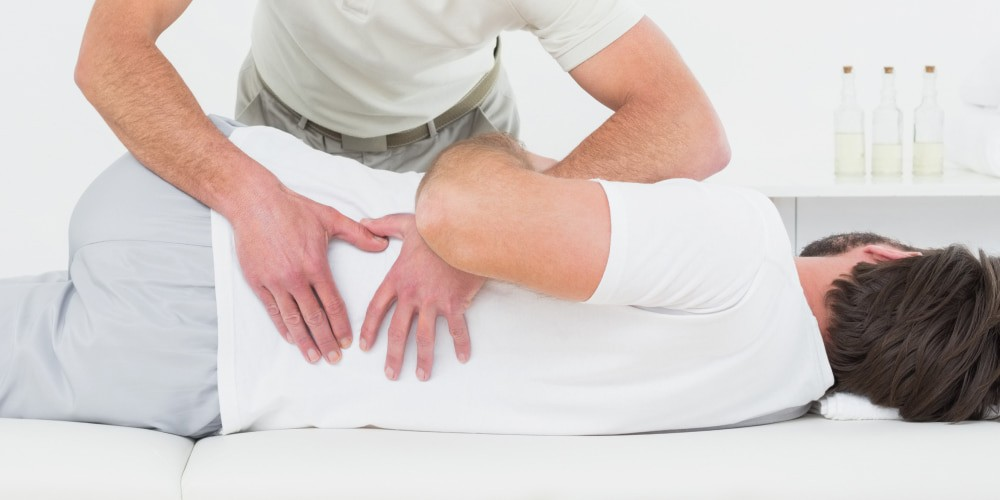
Based on these findings, a personalized treatment plan is developed to improve movement and reduce stress on the lower back.
Benefits of Physical Therapy for Lower Back Pain
Many patients experience significant improvements through conservative treatment.
Common benefits include:
Reduced Pain
Targeted exercises and manual therapy techniques can help decrease muscle tension and improve joint mobility.
Improved Mobility
Physical therapy helps patients move more comfortably and perform daily activities with less discomfort.
Increased Strength
Strengthening the muscles that support the spine can improve stability and reduce the risk of reinjury.
Better Posture
Many lower back problems are linked to poor posture. Physical therapists can help patients develop healthier movement patterns.
Reduced Need for Surgery
In some cases, physical therapy may improve symptoms enough to delay or avoid surgical intervention.
Common Physical Therapy Treatments for Lower Back Pain
Treatment plans vary based on the patient’s condition and recovery goals.
Therapeutic Exercise
Exercise is one of the most important components of rehabilitation.
Programs may include:
- Core strengthening
- Hip strengthening
- Flexibility exercises
- Mobility drills
- Functional movement training
Manual Therapy
Hands-on techniques may help improve joint mobility and reduce muscle tension.
Examples include:
- Soft tissue mobilization
- Joint mobilization
- Trigger point therapy
Postural Training
Patients learn how posture affects spinal health and how small adjustments can reduce strain on the lower back.

Stretching Programs
Tight muscles in the hips, hamstrings, and lower back often contribute to pain.
Stretching exercises may help improve flexibility and movement quality.
Education and Lifestyle Modifications
Therapists often provide guidance on:
- Safe lifting techniques
- Workplace ergonomics
- Exercise habits
- Activity modifications
Exercises Often Recommended for Lower Back Pain
A therapist may recommend exercises such as:
Pelvic Tilts
Pelvic tilts help improve spinal mobility and activate core muscles.
Bridges
Bridges strengthen the glutes and core, both of which play important roles in supporting the lower back.
Bird-Dog Exercise
This exercise improves balance, stability, and coordination while strengthening spinal support muscles.
Knee-to-Chest Stretch
A gentle stretch that may help reduce tension in the lower back.
Cat-Cow Stretch
Often used to improve spinal mobility and flexibility.
Patients should always consult a qualified healthcare provider before beginning a new exercise program.
Can Physical Therapy Help Sciatica?
Yes.
Sciatica occurs when the sciatic nerve becomes irritated or compressed, causing pain that may travel from the lower back down the leg.
Physical therapy can often help by:
- Improving flexibility
- Reducing nerve irritation
- Strengthening supporting muscles
- Correcting movement dysfunctions
Many patients experience significant symptom improvement through a structured rehabilitation program.
How Long Does Physical Therapy Take for Back Pain?
Recovery timelines vary depending on:
- Severity of symptoms
- Underlying diagnosis
- Overall health
- Consistency with treatment
Many patients begin noticing improvement within a few weeks.
Typical treatment plans range from:
- 4–6 weeks for mild conditions
- 6–12 weeks for moderate cases
- Several months for chronic or complex conditions
Following home exercise recommendations is often essential for achieving the best results.
When Should You See a Physical Therapist?
Consider seeking professional evaluation if:
- Pain lasts longer than a few weeks
- Symptoms interfere with daily activities
- Pain radiates into the legs
- Walking becomes difficult
- Pain repeatedly returns
Early intervention often leads to faster recovery and better long-term outcomes.
What Can Make Lower Back Pain Worse?
Certain habits may contribute to ongoing symptoms.
Examples include:
Prolonged Sitting
Extended periods of sitting can increase pressure on the lower back.
Poor Posture
Slouching or improper lifting mechanics may aggravate symptoms.
Lack of Exercise
Weak muscles often provide less support for the spine.
Ignoring Symptoms
Delaying treatment can sometimes allow minor issues to become more serious over time.
Can Physical Therapy Prevent Future Back Pain?
One of the biggest advantages of physical therapy is its focus on prevention.
Treatment programs often help patients:
- Improve core strength
- Develop better posture
- Move more efficiently
- Reduce injury risk
- Build long-term resilience
These improvements can lower the likelihood of recurring back pain episodes.
Pain medication may provide temporary relief, while physical therapy aims to address the underlying causes of pain and improve long-term function.
The number of sessions depends on your condition, goals, and response to treatment.
Many patients with herniated discs benefit from physical therapy, particularly when treatment focuses on improving mobility and reducing nerve irritation.
In many cases, appropriate exercise is beneficial, but activities should be selected carefully and guided by a healthcare professional.