
Knee pain is one of the most common musculoskeletal problems affecting people of all ages. Whether caused by sports injuries, arthritis, overuse, or everyday wear and tear, knee pain can significantly impact mobility and quality of life. The good news is that physiotherapy exercises for knee pain are highly effective in reducing discomfort, improving strength, and restoring function when performed correctly and consistently.
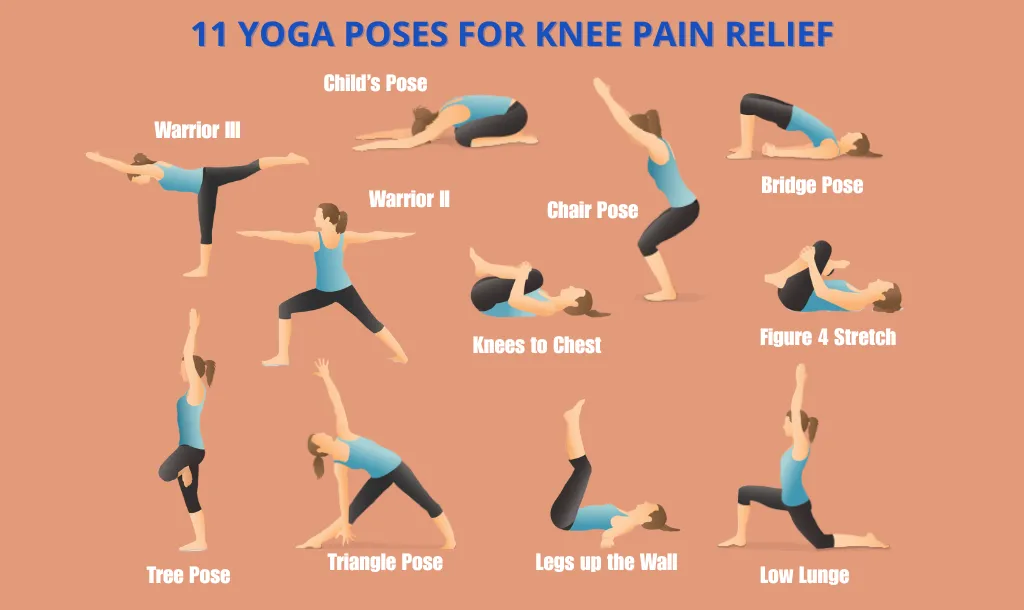
In this guide, we’ll walk through the most common physiotherapy exercises for knee pain, explained in a friendly, easy-to-follow way for both patients and healthcare professionals.
Understanding Knee Pain and Why Exercise Helps
The knee joint relies on surrounding muscles, ligaments, and tendons for stability. Weakness, stiffness, or poor movement patterns can place excessive stress on the joint, leading to pain and injury. Physiotherapy exercises focus on:
- Strengthening supporting muscles, especially the quadriceps, hamstrings, and glutes
- Improving flexibility and mobility
- Reducing joint stress during daily activities
- Preventing future knee injuries
A well-structured exercise program helps the knee move more efficiently while reducing pain over time.
Quadriceps Strengthening Exercises
The quadriceps play a crucial role in knee stability and shock absorption. Strengthening these muscles is often the first step in knee rehabilitation.
Straight Leg Raises
This exercise is gentle and ideal for early-stage knee pain.
How to perform:
- Lie on your back with one leg bent and the other straight
- Tighten the thigh muscle of the straight leg
- Slowly lift the leg to the height of the opposite knee
- Hold for 3–5 seconds, then lower slowly
Benefits include:
- Improved quadriceps strength
- Reduced knee joint stress
- Safe activation without excessive knee movement
Repeat 10–15 times on each leg.
Wall Squats
Wall squats build strength while controlling knee alignment.
How to perform:
- Stand with your back against a wall
- Slide down until your knees are slightly bent
- Keep knees aligned over toes
- Hold for 5–10 seconds, then return to standing
This exercise strengthens the quadriceps while promoting proper knee mechanics.
Hamstring and Calf Stretching
Tight muscles around the knee can increase joint pressure. Stretching improves flexibility and reduces strain.
Standing Hamstring Stretch
How to perform:
- Place one heel on a low step or chair
- Keep your back straight and lean forward slightly
- Hold for 20–30 seconds
This stretch helps relieve tension in the back of the knee and thigh.
Calf Stretch
How to perform:
- Stand facing a wall
- Step one foot back and press the heel into the floor
- Hold for 20–30 seconds
Flexible calves support better knee movement during walking and running.
Glute and Hip Strengthening
Weak hips often contribute to knee pain by altering leg alignment during movement.
Glute Bridges
How to perform:
- Lie on your back with knees bent and feet flat
- Tighten your glutes and lift your hips upward
- Hold for 5 seconds, then lower slowly
Strong glutes help control knee positioning and reduce excessive stress.
Side-Lying Leg Raises
This exercise targets the hip abductors, essential for knee stability.
How to perform:
- Lie on your side with legs straight
- Lift the top leg upward without rotating the hips
- Lower slowly and repeat
Balance and Stability Exercises
Balance training improves joint control and reduces the risk of re-injury.
Single-Leg Stand
How to perform:
- Stand on one leg while maintaining balance
- Hold for 20–30 seconds
- Progress by closing your eyes or standing on an unstable surface
This exercise enhances neuromuscular control around the knee.
Functional Knee Exercises
As pain improves, functional exercises prepare the knee for daily activities.
Examples include:
- Sit-to-stand movements from a chair
- Step-ups onto a low platform
- Mini lunges with controlled movement
Functional training helps translate strength gains into real-world movement.
Common Mistakes to Avoid
When performing physiotherapy exercises for knee pain, avoid:
- Locking the knees during exercises
- Allowing knees to collapse inward
- Pushing through sharp or worsening pain
- Skipping warm-up and cool-down routines
Proper form is essential for safe and effective results.
When to Seek Professional Physiotherapy Care
You should consult a physiotherapist if:
- Knee pain persists despite home exercises
- Swelling or instability increases
- Pain interferes with walking, sports, or daily tasks
A qualified physiotherapist can create a personalized rehabilitation plan based on your condition and goals.
You can find trusted physiotherapy clinics here:
👉 https://physiotherapycenters.com/
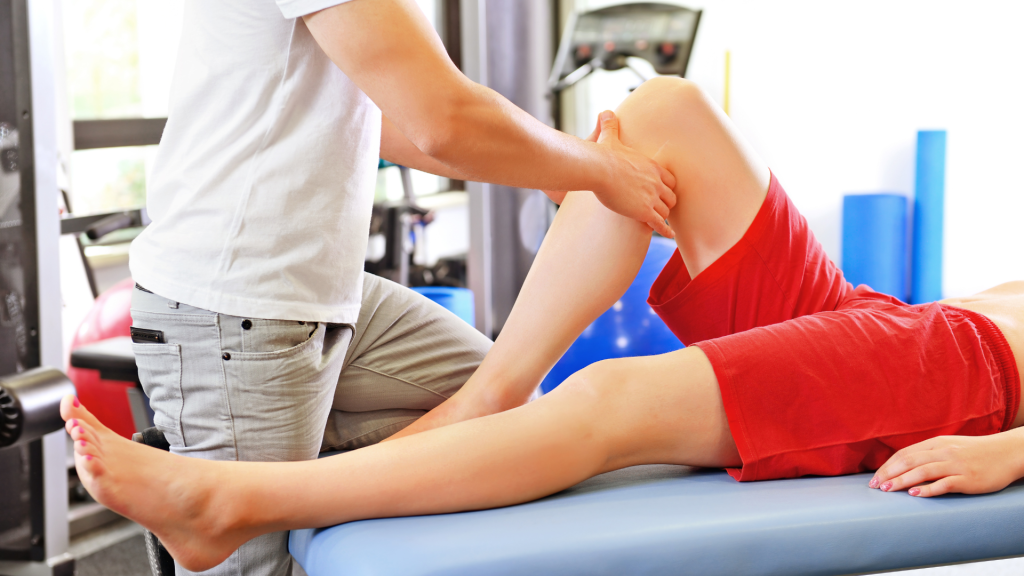
Common physiotherapy exercises for knee pain focus on strengthening, stretching, balance, and functional movement. When performed consistently and correctly, these exercises can significantly reduce pain, improve mobility, and prevent future knee problems.
Whether you are managing chronic knee discomfort or recovering from an injury, physiotherapy offers a safe and effective path toward long-term knee health. For more expert advice, recovery guides, and exercise-based content, visit the PhysiotherapyCenters.com blog:
👉 https://physiotherapycenters.com/physiotherapy-vs-chiropractic-which-is-better-for-you/