
Lower back pain is one of the most common musculoskeletal issues affecting millions worldwide. Whether you’re a patient seeking relief or a physiotherapist looking for effective rehabilitation techniques, understanding the right exercises can make a significant difference. In this comprehensive guide, we’ll explore the top 10 physiotherapy exercises for lower back pain, how to perform them safely, and the benefits they offer.
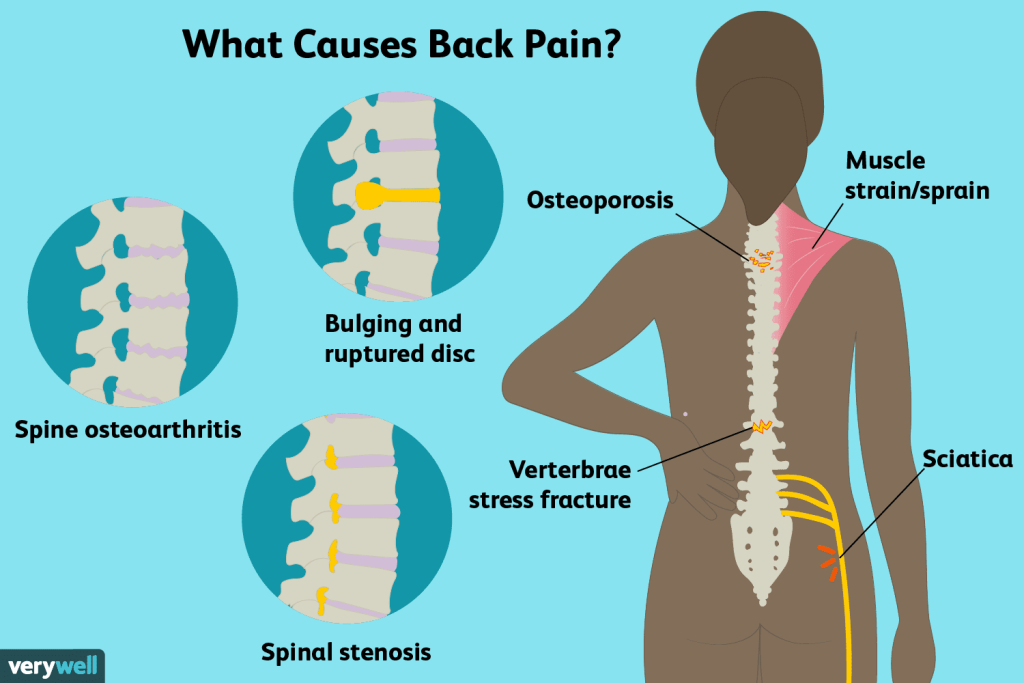
Why Physiotherapy Exercises Are Important
Lower back pain can result from various causes, including poor posture, sedentary lifestyle, sports injuries, or age-related degeneration. Physiotherapy exercises are designed to:
- Strengthen the core muscles supporting the spine
- Improve flexibility and range of motion
- Reduce stiffness and pain
- Prevent future injuries
Proper guidance and technique are crucial. Performing exercises incorrectly can worsen pain or cause injury.
1. Pelvic Tilts
Purpose: Strengthen lower abdominal muscles and stabilize the spine.
How to do it:
- Lie on your back with knees bent and feet flat on the floor.
- Tighten your abdominal muscles and press your lower back into the floor.
- Hold for 5–10 seconds and relax.
- Repeat 10–15 times.
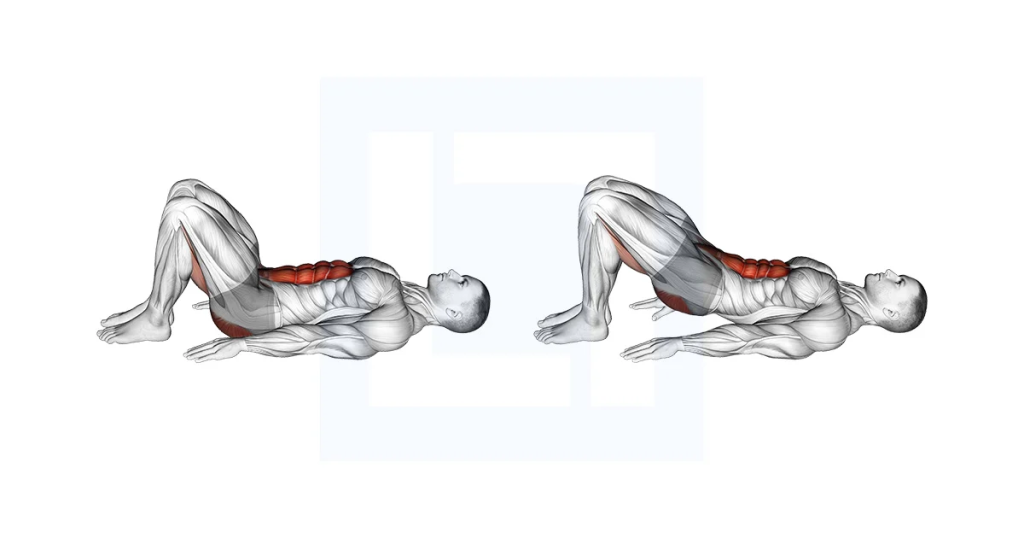
Tips: Keep movements slow and controlled. Avoid arching your back.
2. Cat-Cow Stretch
Purpose: Improve flexibility and relieve tension in the lower back.
How to do it:
- Start on hands and knees in a tabletop position.
- Inhale, arch your back (cow), lifting your head and tailbone.
- Exhale, round your back (cat), tucking your chin and pelvis.
- Repeat 10–12 cycles.
Benefits: Enhances spinal mobility and warms up muscles for other exercises.
3. Child’s Pose
Purpose: Stretch the lower back and relax muscles.
How to do it:
- Kneel on the floor and sit back on your heels.
- Stretch your arms forward and lower your chest toward the floor.
- Hold for 20–30 seconds, breathing deeply.
Tips: Avoid forcing your chest to the ground; move gently according to comfort.
4. Bridge Exercise
Purpose: Strengthen glutes, hamstrings, and lower back muscles.
How to do it:
- Lie on your back with knees bent and feet hip-width apart.
- Press your feet into the floor and lift your hips to form a straight line from shoulders to knees.
- Hold for 5–10 seconds and slowly lower.
- Repeat 10–15 times.
Benefits: Supports spinal stability and reduces lower back strain.
5. Knee-to-Chest Stretch
Purpose: Stretch lower back and hip muscles.
How to do it:
- Lie on your back with knees bent.
- Bring one knee toward your chest, keeping the other foot flat on the floor.
- Hold 20–30 seconds, then switch legs.
- Repeat 2–3 times per leg.
Tips: Maintain a relaxed neck and shoulders.
6. Bird Dog
Purpose: Strengthen core, lower back, and balance.
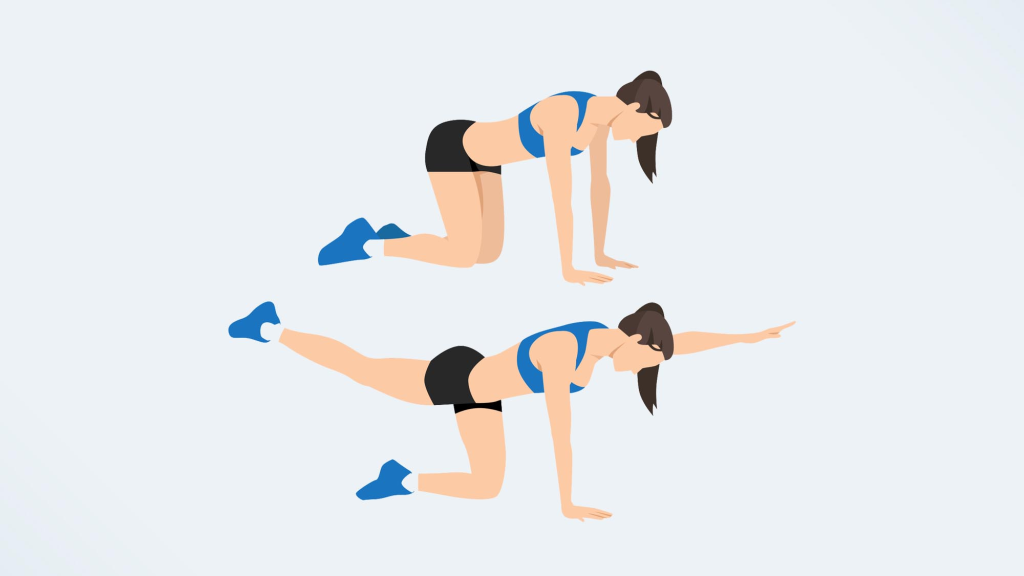
How to do it:
- Start in a tabletop position.
- Extend your right arm forward and left leg backward simultaneously.
- Hold for 5–10 seconds, then return to start.
- Repeat on the opposite side, 10–12 reps each.
Benefits: Improves posture and coordination while protecting the spine.
7. Seated Spinal Twist
Purpose: Enhance spinal flexibility and relieve tension.
How to do it:
- Sit on a chair or floor with legs crossed.
- Place your right hand on your left knee and gently twist your torso to the left.
- Hold for 15–20 seconds, then switch sides.
Tips: Avoid forcing the twist; move only as far as comfortable.
8. Hip Flexor Stretch
Purpose: Reduce tightness in hip flexors, a common cause of lower back pain.
How to do it:
- Step one foot forward into a lunge position.
- Keep your back leg straight and press your hips forward gently.
- Hold 20–30 seconds and switch legs.
Benefits: Relieves tension in hips and lower back, improves posture.
9. Standing Hamstring Stretch
Purpose: Stretch hamstrings to reduce lower back strain.
How to do it:
- Stand straight with feet hip-width apart.
- Extend one leg forward with heel on the floor.
- Lean gently toward the extended leg, keeping your back straight.
- Hold 15–20 seconds and switch legs.
Tips: Do not bounce; maintain a slow and steady stretch.
10. Core Stabilization Exercise (Plank)
Purpose: Strengthen core muscles that support the lower back.
How to do it:
- Lie face down and lift your body onto forearms and toes.
- Keep your body in a straight line from head to heels.
- Hold 20–40 seconds, gradually increasing as strength improves.
Benefits: Enhances core stability, reducing the risk of back injuries.
Tips for a Safe and Effective Exercise Routine
- Warm-up: Begin with light stretches to prepare muscles.
- Consistency: Practice exercises 3–5 times per week.
- Listen to your body: Stop if pain worsens and consult a physiotherapist.
- Progress gradually: Increase duration or repetitions slowly.
- Combine with posture correction: Good ergonomics at work and home prevent recurring pain.
When to See a Physiotherapist
While these exercises are effective for mild to moderate lower back pain, you should consult a professional if you experience:
- Severe or persistent pain
- Numbness or tingling in legs
- Loss of bladder or bowel control
- Pain after an injury
A physiotherapy center can provide personalized assessment, manual therapy, and advanced rehabilitation techniques for faster recovery.
Lower back pain doesn’t have to limit your daily life. Incorporating these 10 physiotherapy exercises into your routine can strengthen muscles, improve flexibility, and alleviate discomfort. Whether you’re a patient managing chronic pain or a professional seeking effective treatment strategies, these exercises provide a solid foundation for recovery.
For more detailed guides on physiotherapy techniques and rehabilitation exercises, visit PhysiotherapyCenters.com Blog regularly.