
Walking is easy.
Climbing stairs might be manageable.
But the moment you walk downstairs, a sharp pain shoots through the front of your knee.
Sound familiar?
If so, you’re not alone.
Pain when going downstairs is one of the most common knee complaints seen by physical therapists and orthopedic specialists. While it can happen at any age, it’s especially common among runners, active adults, office workers, and older adults.
The good news? In many cases, knee pain while descending stairs can be treated without surgery—especially when the underlying cause is identified early.
Let’s explore why it happens, what conditions may be responsible, and when it’s time to seek professional care.
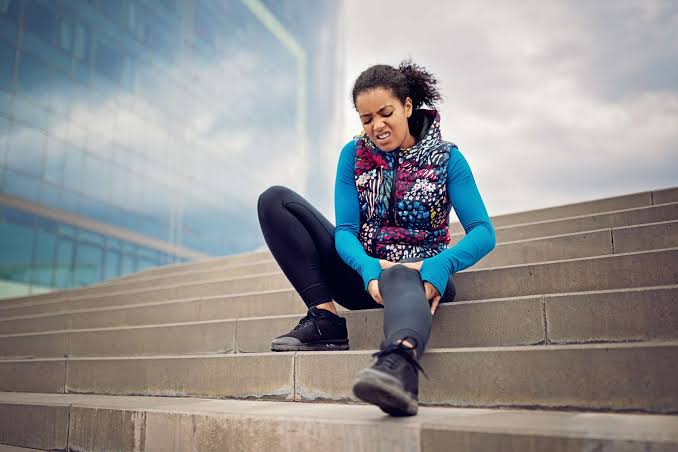
Why Going Down Stairs Hurts More Than Going Up
Many people notice that going downstairs hurts much more than climbing up.
That’s because descending stairs places greater force on your knee joint. Research suggests that the pressure on the kneecap (patella) can be three to five times your body weight during this movement.
Your quadriceps muscles must slowly control your body’s descent, while the cartilage, tendons, and ligaments absorb repeated stress.
If any of these structures are irritated or weakened, pain can develop.
1. Patellofemoral Pain Syndrome (Runner’s Knee)
One of the most common causes is Patellofemoral Pain Syndrome (PFPS), often called Runner’s Knee.
Pain usually develops around or behind the kneecap.
Common symptoms
- Pain when walking downstairs
- Pain after sitting for long periods
- Clicking or grinding sensations
- Discomfort during squats
Why it happens
The kneecap may not move smoothly within the groove of the thigh bone due to muscle weakness, tight tissues, or poor movement mechanics.
2. Knee Osteoarthritis
Arthritis becomes more common with age but can affect younger adults after injuries.
As cartilage wears down, stairs often become increasingly painful.
Symptoms include
- Morning stiffness
- Swelling
- Limited motion
- Aching after activity
- Pain during stair climbing
3. Meniscus Injury
The meniscus acts as a shock absorber inside the knee.
A tear may occur after twisting the knee or simply from age-related degeneration.
Warning signs
- Sharp pain
- Swelling
- Locking sensation
- Catching while walking
- Difficulty bending the knee
Descending stairs often increases symptoms because the knee bears greater load.
4. Weak Hip Muscles
Surprisingly, the problem may not actually start in your knee.
Weak hip muscles can allow the leg to rotate inward while walking.
This changes how force travels through the knee, increasing pressure on the kneecap.
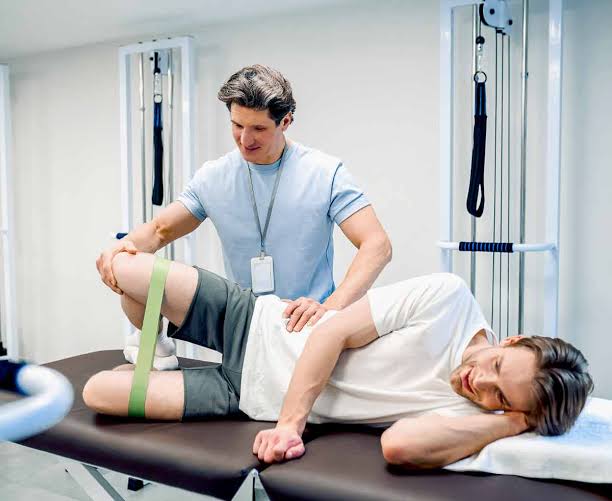
Many physical therapy programs include hip strengthening for exactly this reason.
5. Tight Muscles
Limited flexibility can also contribute.
Common problem areas include:
- Quadriceps
- Hamstrings
- Calves
- Hip flexors
- IT band
Tight muscles may alter movement patterns and increase stress on the knee joint.
6. Patellar Tendinitis
Sometimes called Jumper’s Knee, this condition affects the tendon connecting the kneecap to the shinbone.
Pain usually appears:
- Below the kneecap
- During jumping
- While running
- Going downstairs
- After sports
Athletes who participate in basketball, volleyball, and soccer are particularly susceptible.
7. Previous Knee Injury
Even after an injury heals, lingering weakness or altered movement patterns can continue causing pain.
Examples include:
- ACL injuries
- MCL sprains
- Fractures
- Dislocations
Without proper rehabilitation, compensation patterns may persist for months or years.
8. Poor Movement Mechanics
Sometimes the knee itself isn’t damaged.
Instead, poor movement habits gradually overload the joint.
Examples include:
- Knees collapsing inward
- Poor squat technique
- Weak core muscles
- Reduced ankle mobility
- Limited hip control
Physical therapists are trained to identify these movement patterns and develop exercises to correct them.
Signs You Shouldn’t Ignore
Occasional soreness after a long hike may not be cause for concern.
However, you should consider seeking medical evaluation if you experience:
- Pain lasting more than two weeks
- Swelling that doesn’t improve
- Knee locking or giving way
- Inability to fully straighten the leg
- Difficulty walking
- Pain that worsens over time
These symptoms may indicate a condition requiring professional assessment.
How Physical Therapy Can Help
Many knee conditions respond well to conservative treatment.
A physical therapist may evaluate:
Strength
Weakness in the hips, thighs, or core.
Flexibility
Tight muscles limiting normal movement.
Walking Pattern
Small gait changes can significantly affect knee stress.
Balance
Poor balance increases joint loading and fall risk.
Treatment often includes:
- Strengthening exercises
- Stretching
- Balance training
- Manual therapy
- Stair training
- Home exercise programs
The goal isn’t simply reducing pain—it’s helping you move efficiently and preventing future flare-ups.
Tips to Reduce Knee Pain on Stairs
While treatment depends on the underlying cause, these general strategies may help:
- Use the handrail for additional support.
- Take one step at a time if needed.
- Wear supportive footwear.
- Avoid sudden increases in activity.
- Strengthen your hips and quadriceps.
- Maintain a healthy body weight to reduce joint stress.
- Stay active within your comfort level instead of avoiding movement altogether.
Can Knee Pain Be Prevented?
Many cases can be reduced through healthy movement habits.
Consider:
- Regular strength training
- Stretching after exercise
- Gradually increasing workout intensity
- Using proper technique during sports
- Addressing pain early rather than waiting for it to worsen
Small changes today may help prevent bigger problems later.
Frequently Asked Questions
Why does my knee only hurt when going downstairs?
Descending stairs places greater force on the knee than walking on level ground, making underlying problems more noticeable.
Is knee pain on stairs a sign of arthritis?
It can be, but many other conditions—including Runner’s Knee and muscle weakness—may produce similar symptoms.
Should I stop exercising if my knee hurts?
Not necessarily. Many people benefit from modifying activity rather than stopping completely. A healthcare professional can recommend appropriate exercises.
Can physical therapy help knee pain?
Yes. Physical therapy is one of the most common non-surgical treatments for knee pain caused by movement dysfunction, muscle weakness, or overuse injuries.
When should I see a doctor?
Seek medical attention if pain is severe, follows a significant injury, or is accompanied by swelling, instability, or inability to bear weight.
Related Articles
- Can Physical Therapy Actually Prevent Surgery? What Patients Should Know Before Going Under the Knife
- Runner’s Knee: Symptoms, Treatment, and Recovery Timeline
- Where Houston Residents Go for Sports Injury Rehabilitation