Hip replacement surgery can be life-changing. For many people, it means less pain, better mobility, and the chance to return to activities they haven’t enjoyed in years.
But surgery is only the first step.
Your recovery—and the long-term success of your new hip—depends heavily on what you do (and don’t do) during the weeks and months that follow.
Many complications after hip replacement aren’t caused by the implant itself. Instead, they’re linked to falls, overexertion, poor movement habits, or skipping rehabilitation.
Here are 10 things physical therapists commonly advise patients to avoid after hip replacement surgery, along with safer alternatives to support a smoother recovery.
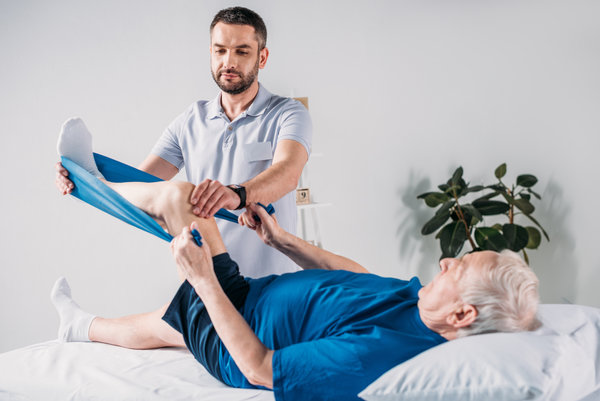
1. Don’t Skip Your Physical Therapy Appointments
One of the biggest mistakes patients make is assuming they’ll recover naturally without rehabilitation.
Physical therapy helps you:
- Regain strength
- Improve balance
- Restore normal walking patterns
- Reduce stiffness
- Lower the risk of future falls
Missing therapy sessions can slow recovery and make it harder to regain full function.
Instead: Attend every scheduled session and complete your home exercise program consistently.
2. Don’t Ignore Your Surgeon’s Hip Precautions
Depending on the surgical approach (posterior, anterior, or lateral), your surgeon may recommend temporary movement restrictions.
For example, some patients may be advised to avoid:
- Crossing their legs
- Twisting the operated leg
- Bending the hip beyond certain angles
- Pivoting on the affected leg
Ignoring these precautions may increase the risk of hip dislocation during the early healing phase.
Instead: Follow your surgeon’s instructions carefully until you’re cleared to resume normal movements.
3. Don’t Sit for Hours Without Moving
After surgery, spending too much time sitting can lead to:
- Joint stiffness
- Muscle weakness
- Reduced circulation
- Increased risk of blood clots
Instead: Change positions regularly and take short walks every hour if your healthcare team approves.
4. Don’t Return to High-Impact Activities Too Soon
Even if you’re feeling better, your new hip still needs time to heal.
Avoid returning too quickly to activities such as:
- Running
- Jumping
- Basketball
- Singles tennis
- High-impact aerobics
These activities may place unnecessary stress on the joint before your body is ready.
Instead: Follow the rehabilitation timeline recommended by your surgeon and physical therapist.
5. Don’t Skip Your Home Exercises
Most recovery happens between appointments, not just during therapy sessions.
Your home exercise program is designed to improve:
- Hip strength
- Flexibility
- Balance
- Walking mechanics
Skipping these exercises may delay your progress.
Instead: Set aside 15–30 minutes each day for your prescribed routine.
6. Don’t Ignore Signs of Infection or Blood Clots
While complications are uncommon, it’s important to recognize warning signs early.
Contact your healthcare provider if you notice:
- Increasing redness around the incision
- Drainage or pus
- Fever
- Severe swelling
- Chest pain
- Shortness of breath
- Calf pain or unusual swelling
Prompt medical attention is essential if these symptoms occur.

7. Don’t Use Furniture for Support Instead of Your Walker or Cane
Many people start feeling more confident after a few weeks and begin walking by holding onto tables, countertops, or chairs.
This can increase your risk of falling.
Instead: Continue using the assistive device recommended by your therapist until you demonstrate safe balance and walking.
8. Don’t Rush Back to Driving
Driving too soon can be dangerous, especially if:
- You’re still taking prescription pain medication.
- Your reaction time hasn’t fully returned.
- Your operated leg controls the pedals.
Instead: Wait until your surgeon confirms it’s safe to drive again.
9. Don’t Gain Excess Weight During Recovery
Extra body weight increases the load placed on your new hip joint.
A balanced diet rich in:
- Lean protein
- Fruits
- Vegetables
- Whole grains
- Calcium-rich foods
can support healing while helping you maintain a healthy weight.
10. Don’t Compare Your Recovery to Someone Else’s
Every recovery is different.
Factors that influence healing include:
- Age
- Overall health
- Activity level
- Muscle strength before surgery
- Type of hip replacement
- Commitment to rehabilitation
Some people recover quickly, while others need several months to regain confidence and mobility.
Focus on your own progress rather than comparing yourself with others.
What Should You Do Instead?
A successful recovery often comes down to a few healthy habits:
- Attend all follow-up appointments.
- Follow your physical therapy plan.
- Stay active within your recommended limits.
- Use assistive devices as directed.
- Eat a nutritious diet.
- Practice good posture and walking mechanics.
- Report unusual symptoms promptly.
Small, consistent efforts usually lead to the best long-term outcomes.
How Long Does Hip Replacement Recovery Take?
Recovery varies from person to person, but many patients follow a general timeline:
Weeks 1–2
- Walking with a walker or cane
- Managing pain and swelling
- Beginning gentle exercises
Weeks 3–6
- Improved strength and mobility
- Longer walks
- Increased independence with daily activities
Weeks 6–12
- Better balance
- Reduced pain
- Return to many normal activities
Three to six months
- Continued strength gains
- Improved endurance
- Gradual return to recreational activities, depending on medical advice
Your healthcare team can provide a recovery plan based on your specific condition.
Frequently Asked Questions
Can I bend over after hip replacement?
It depends on your surgical approach and your surgeon’s instructions. Follow any movement precautions provided during your recovery.
When can I walk without a cane?
Many patients transition away from a cane within several weeks, but the timing varies based on strength, balance, and healing.
Is walking good after hip replacement?
Yes. Walking is one of the most effective ways to improve circulation, strengthen muscles, and restore mobility when done according to your rehabilitation plan.
Can I sleep on my side after surgery?
Your surgeon or therapist will advise when it’s safe. Some patients may need to wait several weeks and use a pillow between their knees for support.
How important is physical therapy after hip replacement?
Physical therapy plays a key role in restoring movement, improving strength, and helping patients return safely to everyday activities.
Related Articles
- Week-by-Week Recovery After Knee Replacement Surgery
- Walking After Hip Replacement: A Complete Guide
- Cash Pay vs. Insurance for Physical Therapy: Which Option Saves You More Money?