
Most people believe that walking is one of the best things they can do for their health.
And in many cases, that’s absolutely true.
Walking improves cardiovascular fitness, supports weight management, strengthens muscles, and keeps your joints moving.
So why do some people notice that their knees hurt more the longer they stick to a daily walking routine?
The answer isn’t usually that walking is “bad” for your knees.
More often, it’s how you’re walking, how your body moves, and what your joints are dealing with before you even take the first step.
As physical therapists often explain, knee pain during walking is usually a symptom—not the actual problem.
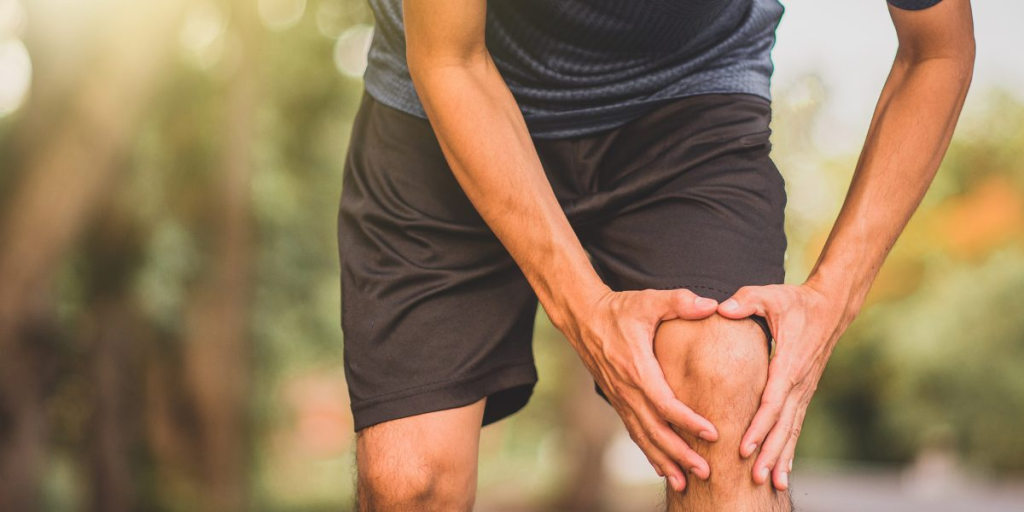
Walking Doesn’t Damage Healthy Knees
One of the biggest myths surrounding knee pain is that walking “wears out” your joints.
Research has consistently shown that regular, moderate walking can actually support joint health by:
- Nourishing cartilage through movement
- Strengthening muscles around the knee
- Improving circulation
- Reducing joint stiffness
- Helping maintain a healthy body weight
If your knees hurt after a short walk, it’s worth asking why, rather than assuming walking itself is the culprit.
Five Reasons Your Knees May Hurt While Walking
1. Weak Hip Muscles
Your hips control the position of your knees with every step.
If the muscles around your hips aren’t providing enough stability, your knees may move inward slightly, increasing pressure on the joint.
This is one of the first things many physical therapists evaluate.
2. Arthritis
Osteoarthritis is one of the most common causes of knee pain in adults over 50.
Typical symptoms include:
- Pain that gradually worsens
- Morning stiffness
- Swelling
- Difficulty walking long distances
The good news is that movement often helps manage arthritis better than complete rest.
3. Tight Leg Muscles
Tight calves, hamstrings, or quadriceps can alter the mechanics of your walk.
Over time, those changes may place additional stress on the knee.
A combination of stretching and strengthening often improves movement efficiency.
4. Poor Footwear
Your shoes affect every step you take.
Worn-out soles or shoes with poor support can change how forces travel through your ankles, knees, and hips.
Replacing old walking shoes is sometimes a simple but effective solution.
5. Doing Too Much Too Soon
A common mistake is increasing walking distance too quickly.
For example:
- Jumping from 2,000 to 10,000 steps overnight
- Starting long hikes after months of inactivity
- Walking steep hills every day
Like any form of exercise, your body needs time to adapt.
How a Physical Therapist Looks at Knee Pain Differently
Instead of focusing only on where it hurts, a physical therapist asks a different question:
“Why is this knee experiencing more stress than it should?”
During an evaluation, they may assess:
- Walking pattern
- Hip strength
- Ankle mobility
- Balance
- Foot alignment
- Muscle flexibility
- Stair climbing technique
Often, small movement corrections produce meaningful improvements over time.
Small Changes That Can Make Walking More Comfortable
If knee pain has started interfering with your daily walks, consider these simple adjustments:
- Warm up before longer walks.
- Increase your distance gradually.
- Wear supportive footwear.
- Strengthen your hips and glutes.
- Walk on level surfaces when possible.
- Avoid pushing through severe pain.
- Include rest days if symptoms increase.
Consistency usually produces better results than trying to do too much at once.
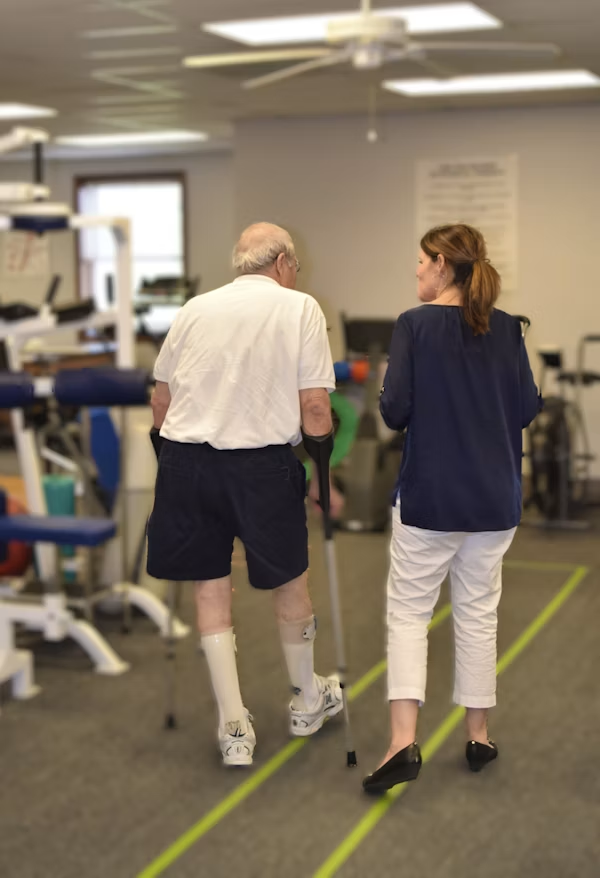
When Should You Seek Professional Help?
Occasional soreness after exercise is common.
However, schedule an evaluation if:
- Pain lasts more than two weeks.
- Your knee frequently swells.
- You feel instability or your knee gives way.
- Walking becomes increasingly difficult.
- Pain wakes you at night.
- Symptoms keep returning despite reducing activity.
Early treatment often prevents minor movement problems from becoming long-term limitations.
Frequently Asked Questions
Not necessarily. Mild discomfort doesn’t always mean you should stop. However, persistent or worsening pain should be evaluated by a healthcare professional.
For many people, yes. Regular walking can help reduce stiffness, improve joint mobility, and support overall function when performed at an appropriate intensity.
The quadriceps, hamstrings, gluteal muscles, and calf muscles all contribute to knee stability and efficient movement.
Yes. Physical therapy often includes strengthening, flexibility exercises, movement retraining, and education designed to reduce pain and improve function.
Related Articles
- Why Does My Knee Hurt Going Down Stairs?
- Your Back May Not Be the Problem: The Hidden Muscle Behind Lower Back Pain
- 5 Minutes of Exercise for Lower Back Pain