When pain starts interfering with daily life, many people assume surgery is the only solution.
A painful knee must need surgery.
A bad shoulder probably needs surgery.
A herniated disc means surgery is inevitable.
But that’s not always true.
In many cases, physical therapy can help patients reduce pain, improve function, and delay—or even avoid—certain surgical procedures altogether.
While surgery is sometimes the best option, rehabilitation is often recommended as a first-line treatment because it addresses the underlying movement problems contributing to pain and dysfunction.
Before scheduling an operation, here’s what patients should know about the role physical therapy can play.
Why Surgery Isn’t Always the First Answer
Modern medicine has made tremendous advances in surgical care, but surgery still comes with risks.

Potential concerns include:
- Recovery time
- Post-operative pain
- Infection risk
- Medical complications
- Rehabilitation requirements
- Financial costs
Because of these factors, many physicians recommend conservative treatments before considering surgery.
Physical therapy is often one of the most effective non-surgical approaches available.
Conditions That May Improve Without Surgery
Not every condition can be treated conservatively, but many common orthopedic problems respond well to rehabilitation.
Knee Pain
Patients with certain knee conditions may benefit from:
- Strength training
- Mobility exercises
- Balance training
- Movement correction
Common examples include:
- Mild meniscus injuries
- Patellofemoral pain syndrome
- Early arthritis
- Tendon-related pain
Lower Back Pain
Many cases improve with:
Back pain is one of the leading reasons people undergo unnecessary procedures.
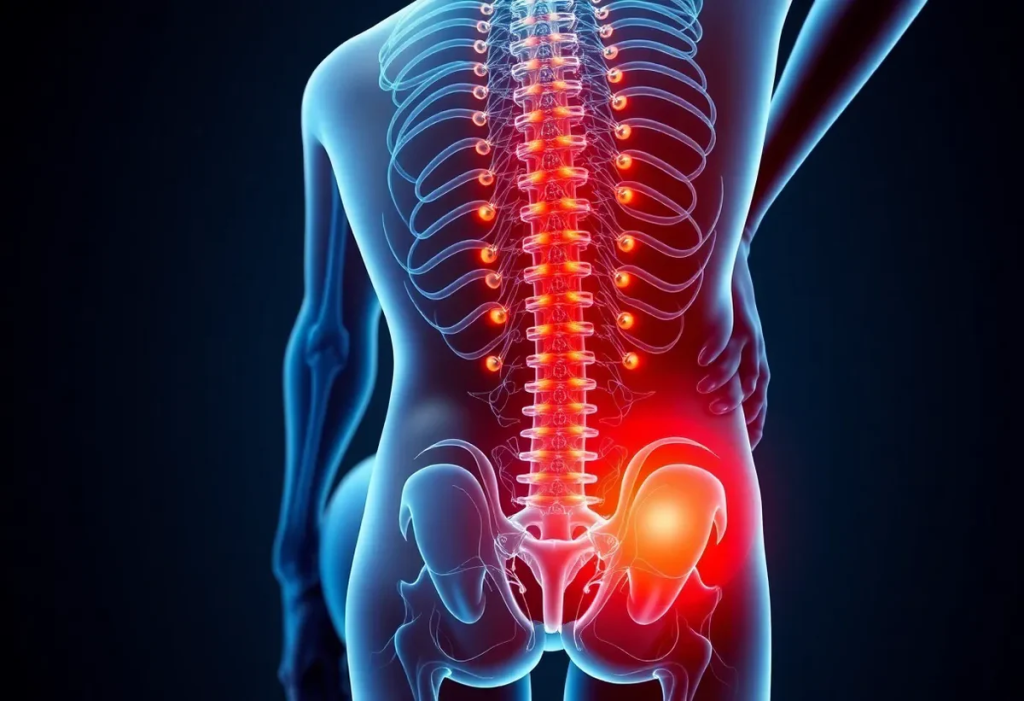
- Core strengthening
- Flexibility training
- Postural education
- Functional movement exercises
Shoulder Problems
Certain shoulder conditions respond particularly well to rehabilitation.
These may include:
- Rotator cuff irritation
- Shoulder impingement
- Frozen shoulder
- Tendon injuries
Hip Pain
Physical therapy often helps improve mobility, strength, and movement mechanics that contribute to hip discomfort.
Why Physical Therapy Works
Physical therapy focuses on more than symptom relief.
The goal is to identify and address factors contributing to pain and dysfunction.
These factors often include:
Muscle Weakness
Weak muscles can place excessive stress on joints and surrounding tissues.
Limited Mobility
Restricted movement patterns may cause the body to compensate in ways that increase pain.
Poor Movement Mechanics
Simple activities such as walking, lifting, and climbing stairs may contribute to symptoms if performed inefficiently.
Balance Deficits
Instability can increase injury risk and limit physical activity.
By targeting these issues, physical therapy often helps patients move more comfortably and confidently.
What the Research Suggests
Many studies have found that structured rehabilitation programs can provide significant benefits for patients with certain musculoskeletal conditions.
For some individuals, physical therapy may produce outcomes comparable to surgery, particularly when the condition is not severe.
This does not mean surgery is unnecessary.
Instead, it highlights the importance of exploring conservative treatment options before making a major medical decision.
Situations Where Physical Therapy May Help Delay Surgery
In some cases, patients still eventually undergo surgery.
However, rehabilitation may help delay the procedure while maintaining function and quality of life.
Examples include:
Arthritis
While therapy cannot reverse arthritis, it may improve:
- Strength
- Mobility
- Joint function
- Pain management
Degenerative Disc Conditions
Many individuals successfully manage symptoms through exercise and rehabilitation.
Chronic Joint Pain
Improving surrounding muscle support may reduce stress on painful joints.
For some patients, delaying surgery can be a meaningful benefit.
Situations Where Surgery May Still Be Necessary
Physical therapy is not a miracle cure.
Certain conditions often require surgical intervention.
Examples may include:
Severe Joint Damage
Advanced degeneration sometimes leaves limited non-surgical options.
Complete Tendon Ruptures
Some tendon injuries require surgical repair for optimal outcomes.
Significant Structural Instability
Severe ligament injuries may need reconstruction.
Progressive Neurological Symptoms
Nerve-related problems causing significant weakness or loss of function may require prompt medical attention.
A healthcare professional can help determine the most appropriate course of treatment.
The Hidden Benefit of Physical Therapy Before Surgery
Even if surgery ultimately becomes necessary, physical therapy may still provide important advantages.
This approach is often called “prehabilitation.”
Benefits may include:
- Improved strength
- Better mobility
- Enhanced endurance
- Faster post-operative recovery
Patients who enter surgery in better physical condition often recover more efficiently afterward.
Questions to Ask Before Choosing Surgery
Before moving forward with an operation, consider discussing these questions with your healthcare provider:
Have I Tried Physical Therapy?
Many patients have never completed a structured rehabilitation program before considering surgery.
Are There Conservative Options Available?
Ask whether non-surgical treatment may be appropriate.
What Are the Risks and Benefits?
Understanding both sides of the decision is essential.
What Happens If I Wait?
In some situations, delaying surgery has little impact on long-term outcomes.
What Recovery Will Look Like?
Many procedures still require months of rehabilitation afterward.
Signs You May Benefit From Physical Therapy First
Consider speaking with a physical therapist if:
- Pain is affecting daily activities
- Mobility is declining
- Surgery has been recommended but not scheduled
- Symptoms have developed gradually
- You want to explore conservative options
An evaluation may provide valuable insight into available treatment pathways.
Physical Therapy Isn’t About Avoiding Surgery at All Costs
The goal isn’t to avoid surgery no matter what.
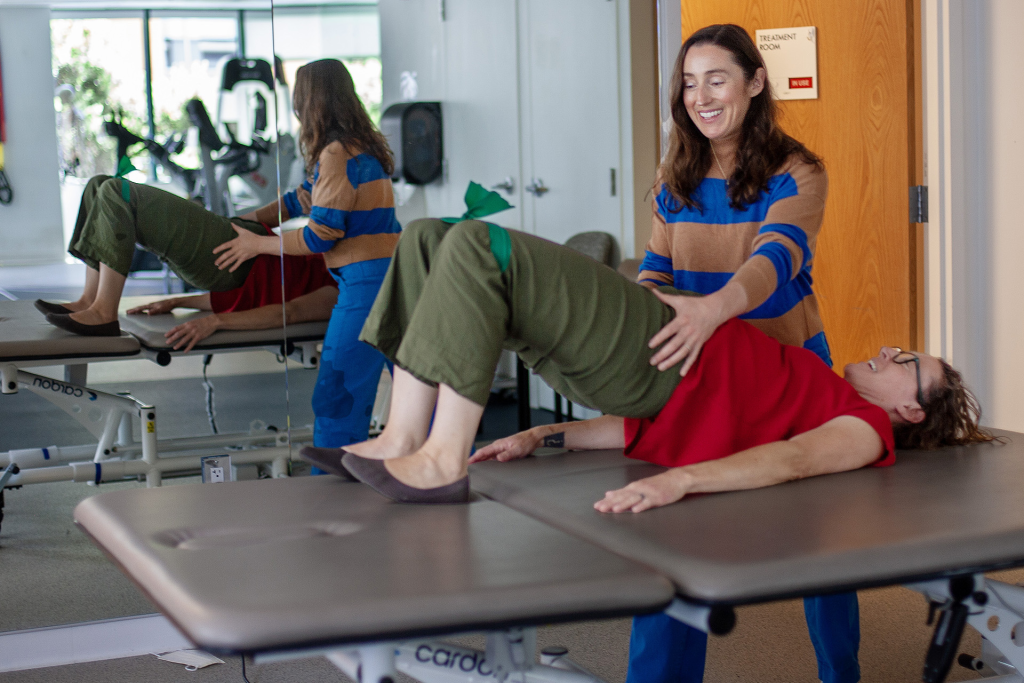
The goal is to make informed decisions.
For some patients, physical therapy may eliminate the need for surgery.
For others, it may delay surgery or improve recovery outcomes.
And for some, surgery remains the best option.
Understanding all available treatment choices helps ensure patients receive the care that’s most appropriate for their specific condition.
This varies by condition, but many healthcare providers recommend a trial of conservative treatment before pursuing surgery when appropriate.
Many private insurance plans and Medicare cover medically necessary physical therapy services.
If symptoms persist despite rehabilitation, additional medical evaluation may be necessary to explore other treatment options.