Lower back pain is one of the leading reasons people visit a doctor or physical therapist each year. While many people blame poor posture, aging, or a “bad back,” the true source of the pain isn’t always located in the lower back itself.
In many cases, the problem begins elsewhere—particularly in the muscles that stabilize your hips and pelvis. When these muscles become weak or fail to work efficiently, the lower back often compensates by taking on extra stress during everyday activities such as walking, standing, climbing stairs, or lifting objects.
One of the most overlooked contributors is the gluteus medius, a small but powerful muscle on the outside of the hip. Although it rarely hurts directly, weakness in this muscle can affect the way your entire body moves, increasing pressure on the lumbar spine and contributing to recurring back pain.
In this article, you’ll learn why the gluteus medius is sometimes called the “hidden muscle” behind chronic lower back pain, how to recognize the warning signs, and what physical therapists recommend to restore strength, improve movement, and reduce discomfort naturally.
What Is the Gluteus Medius?
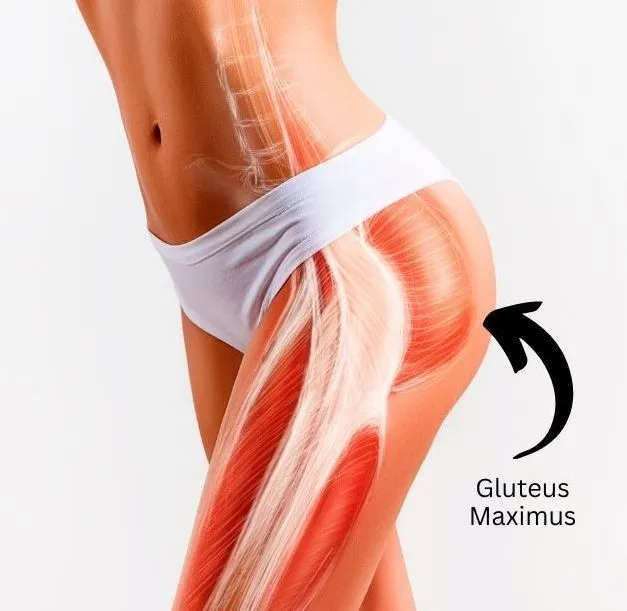
The gluteus medius is a muscle located on the outside of your hip, underneath part of the larger gluteus maximus.
Its primary jobs include:
- Stabilizing your pelvis while walking
- Supporting balance when standing on one leg
- Controlling hip movement
- Helping maintain proper posture
- Reducing stress on the lower back and knees
Although it isn’t a large muscle, it plays a major role in keeping your body aligned.
How a Weak Gluteus Medius Can Lead to Back Pain
Imagine carrying a heavy grocery bag in one hand.
Your body naturally leans to compensate.
Now imagine that same imbalance happening thousands of times each day while you walk.
When the gluteus medius isn’t providing enough support:
- Your pelvis may tilt excessively.
- Your lower back muscles work harder.
- Your hips become less stable.
- Your walking pattern changes.
- Pressure on the lumbar spine increases.
The result may be persistent aching that seems to come from the back but is actually influenced by poor hip stability.
Signs Your Hip Stabilizers May Be Weak
You don’t need specialized equipment to notice some common warning signs.
You may have weakness if you experience:
- Back pain after standing for long periods
- Hip pain while walking
- Difficulty balancing on one leg
- Knee pain during stairs
- Pain after long walks
- Lower back fatigue when cooking or shopping
- A noticeable hip drop while walking
These symptoms don’t automatically mean your gluteus medius is the cause, but they can indicate that further evaluation is worthwhile.
Why Sitting All Day Makes It Worse
Modern lifestyles aren’t particularly friendly to our hip muscles.
Hours spent sitting at a desk, commuting, or relaxing on the couch reduce how much these stabilizing muscles are used.
Over time they may become weaker and less responsive.
Then, when you suddenly ask them to support activities like hiking, running, or yard work, they may struggle to do their job.
That’s one reason many office workers develop recurring back or hip discomfort despite having no obvious injury.
Other Muscles That May Contribute to Back Pain
While the gluteus medius is often overlooked, it isn’t the only muscle that can influence spinal health.
Physical therapists also evaluate:
Deep Core Muscles
These muscles help stabilize your spine during movement.
Weakness may increase stress on the lower back.
Hip Flexors
Prolonged sitting can shorten the hip flexors, pulling the pelvis forward and increasing the arch in your lower back.
Hamstrings
Tight hamstrings may alter pelvic movement and contribute to stiffness.
Gluteus Maximus
The largest muscle in the body plays a major role in lifting, climbing stairs, and generating power.
Weakness here may also increase lumbar strain.
How Physical Therapists Identify the Real Cause
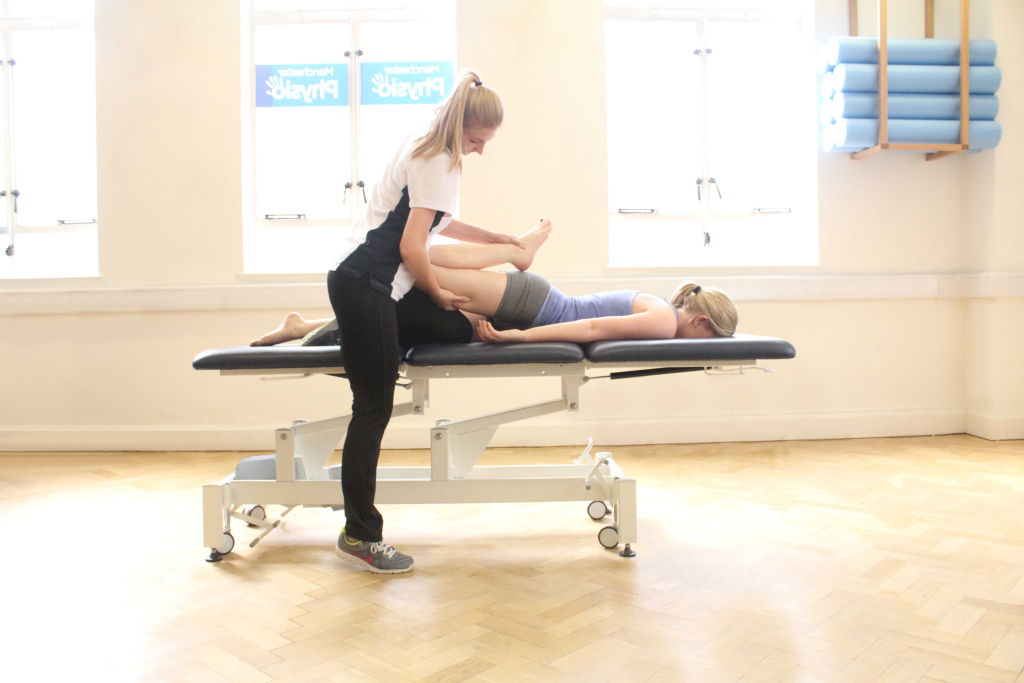
One reason physical therapy can be effective for recurring back pain is that treatment focuses on why the pain developed—not just where it hurts.
A physical therapist may evaluate:
- Walking mechanics
- Standing posture
- Single-leg balance
- Hip strength
- Core stability
- Range of motion
- Functional movements such as squats and step-downs
These assessments often reveal movement patterns that aren’t obvious during everyday activities.
Exercises That May Help Improve Hip Stability
Treatment depends on your individual condition, but therapists commonly recommend exercises that strengthen the muscles supporting the pelvis.
Examples include:
- Side-lying leg raises
- Clamshell exercises
- Lateral band walks
- Single-leg bridges
- Step-ups
- Balance exercises
- Hip abduction strengthening
The goal isn’t simply to make one muscle stronger—it’s to improve how multiple muscles work together.
When You Should Seek Professional Evaluation
Occasional muscle soreness after activity is common.
However, consider seeing a physical therapist if:
- Back pain lasts longer than two weeks.
- Pain keeps returning.
- Standing or walking becomes difficult.
- You notice weakness or poor balance.
- Pain limits work or recreational activities.
- Home exercises haven’t improved symptoms.
A personalized assessment can identify factors that generic online exercise programs may miss.
Frequently Asked Questions
Yes. Weak hip stabilizers can change how forces are distributed through the pelvis and spine, causing the lower back muscles to compensate.
It depends on the underlying cause. Some people benefit more from strengthening, while others need a combination of mobility and stability exercises.
Walking activates the muscle, but targeted strengthening exercises are often needed when significant weakness is present.
Usually not. Recovery often involves improving the coordination of several muscle groups, posture, movement habits, and overall activity levels.
For many non-specific cases of lower back pain, staying appropriately active and following a guided rehabilitation program is more beneficial than prolonged bed rest.
Lower back pain doesn’t always begin in the lower back.
Sometimes the real culprit is a muscle quietly working behind the scenes—or failing to work when it should.
The gluteus medius is just one example of how the body functions as an interconnected system. When one area becomes weak, other muscles often compensate, leading to discomfort that can be difficult to trace on your own.
If your back pain keeps returning despite stretching, rest, or changing your workspace, it may be worth looking beyond your spine. A comprehensive physical therapy evaluation can identify movement problems, muscle imbalances, and stability deficits that contribute to ongoing pain—and help you build a plan for lasting improvement.
Related Articles
- Why Does My Back Hurt When Standing Too Long?
- 5 Minutes of Exercise for Lower Back Pain
- Your Body Starts Changing After Age 40 — Here’s What Most People Don’t Notice