After surgery, an illness, or an injury, one of the first questions many patients ask is:
“Should I receive physical therapy at home or go to an outpatient clinic?”
The answer depends on your mobility, medical condition, recovery goals, and overall health.
Both Home Health Physical Therapy and Outpatient Physical Therapy play important roles in rehabilitation, but they serve different types of patients and are designed for different stages of recovery.
Understanding the differences can help you make informed decisions and get the most from your rehabilitation program.

Quick Comparison
| Home Health Physical Therapy | Outpatient Physical Therapy |
|---|---|
| Therapy provided in your home | Therapy provided at a clinic |
| Best for patients who have difficulty leaving home | Best for patients who can travel safely |
| Focuses on safe mobility and independence at home | Focuses on restoring strength, mobility, and higher-level function |
| Common after hospitalization or major surgery | Common after initial recovery or for sports and orthopedic injuries |
| Uses equipment available in the home | Access to specialized rehabilitation equipment |
What Is Home Health Physical Therapy?
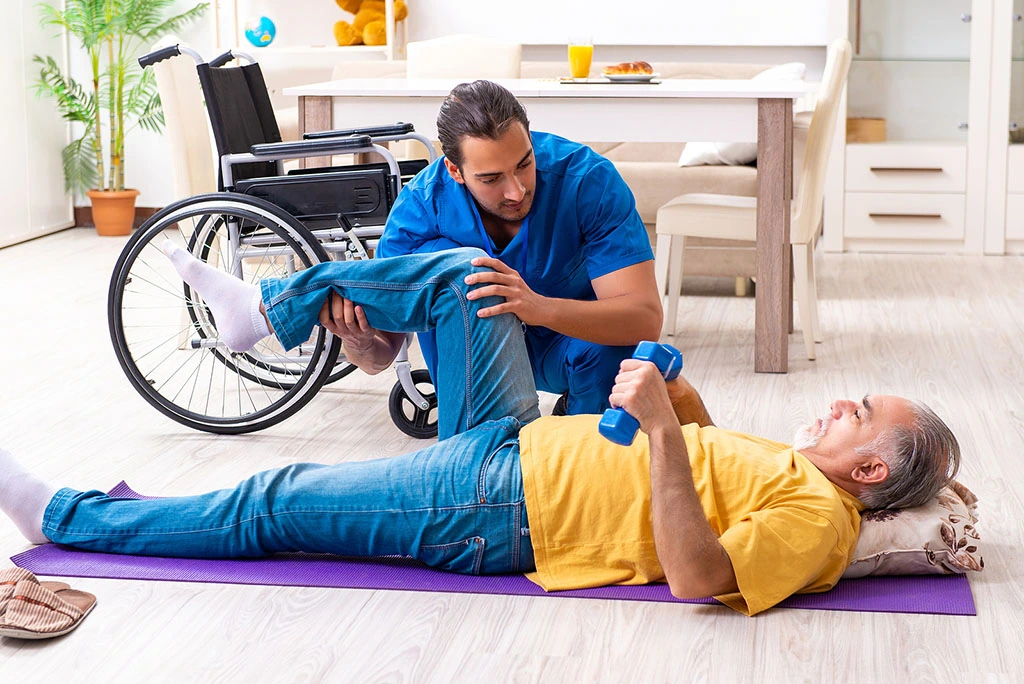
Home Health Physical Therapy is rehabilitation delivered in a patient’s home.
A licensed physical therapist visits you and creates a treatment plan based on your medical condition and living environment.
Treatment often focuses on helping patients safely perform everyday activities within their homes.
Common goals include:
- Walking safely around the house
- Getting in and out of bed
- Using stairs safely
- Improving balance
- Preventing falls
- Increasing independence
- Teaching caregivers safe transfer techniques
The therapist may also recommend changes to reduce fall risks, such as removing loose rugs or improving furniture placement.
Who Typically Needs Home Health Physical Therapy?
Home-based therapy is often recommended for people who have difficulty traveling because of their medical condition.
Examples include patients recovering from:
- Hip replacement surgery
- Knee replacement surgery
- Stroke
- Heart surgery
- Serious illness
- Multiple fractures
- Extended hospitalization
It may also benefit older adults with significant balance problems or limited mobility.
Advantages of Home Health Physical Therapy
Receiving therapy at home offers several benefits.
Greater Convenience
You don’t need to arrange transportation or travel while recovering.
Personalized Home Safety Assessment
Your therapist can identify hazards specific to your living environment and recommend practical modifications.
Comfortable Environment
Many patients feel more relaxed exercising in familiar surroundings.
Easier for Family Participation
Caregivers and family members can observe treatment sessions and learn safe ways to assist with recovery.
Limitations of Home Health Physical Therapy
Although home therapy is valuable, it has some limitations.
These may include:
- Limited rehabilitation equipment
- Fewer opportunities for advanced strength training
- Less space for functional exercise
- Reduced access to specialized rehabilitation technology
As recovery progresses, many patients transition to outpatient physical therapy.
What Is Outpatient Physical Therapy?
Outpatient Physical Therapy takes place in a dedicated rehabilitation clinic.
Patients travel to scheduled appointments where therapists have access to a wider variety of equipment and treatment techniques.
Treatment commonly includes:
- Strength training
- Manual therapy
- Balance exercises
- Gait training
- Sports rehabilitation
- Functional movement training
- Mobility exercises
- Pain management
Outpatient therapy often focuses on returning patients to work, sports, hobbies, and everyday activities.
Who Benefits Most from Outpatient Physical Therapy?
Outpatient care is appropriate for people who can safely leave home and want to improve higher-level function.
Common reasons include:
- Sports injuries
- Shoulder pain
- Back pain
- Neck pain
- Arthritis
- ACL rehabilitation
- Rotator cuff injuries
- Chronic pain
- Balance disorders
- Recovery after home health therapy
Many patients begin with home health therapy before progressing to outpatient rehabilitation.
Advantages of Outpatient Physical Therapy
Access to Specialized Equipment
Clinics often provide equipment not available at home, including:
- Resistance machines
- Balance systems
- Treadmills
- Functional training equipment
- Sport-specific rehabilitation tools
Broader Treatment Options
Therapists may offer services such as:
- Dry needling
- Manual therapy
- Blood flow restriction training
- Advanced balance programs
- Return-to-sport testing
Availability varies by clinic.
Faster Progression
Patients who are medically stable often progress more quickly because therapists can gradually increase exercise intensity.
Limitations of Outpatient Physical Therapy
Outpatient therapy may not be ideal for everyone.
Potential challenges include:
- Transportation requirements
- Scheduling appointments
- Travel time
- Difficulty attending sessions immediately after surgery
For some patients, beginning rehabilitation at home is the safer option.
Can You Transition from Home Health to Outpatient Physical Therapy?
Yes—and this is very common.
For example, someone recovering from a total knee replacement may:
Week 1–3
Receive home health physical therapy to:
- Improve walking
- Reduce fall risk
- Learn safe transfers
- Begin gentle strengthening exercises
Week 4 and Beyond
Transition to outpatient physical therapy to:
- Build strength
- Increase range of motion
- Improve endurance
- Climb stairs more easily
- Return to work or recreational activities
This staged approach allows rehabilitation to progress safely as mobility improves.
Which Option Is Better?
Neither option is universally better.
The right choice depends on your situation.
Home Health Physical Therapy may be best if you:
- Recently left the hospital
- Cannot drive
- Have significant mobility limitations
- Need assistance walking
- Are at high risk of falling
Outpatient Physical Therapy may be best if you:
- Can safely travel to appointments
- Need more advanced rehabilitation
- Want to return to sports or physically demanding work
- Need specialized equipment
- Are recovering from orthopedic injuries
Your physician or physical therapist can help determine the most appropriate setting.
Frequently Asked Questions
Home health physical therapy is highly effective for improving basic mobility, safety, and independence during the early stages of recovery. As patients improve, outpatient therapy often provides more advanced rehabilitation options.
Many Medicare beneficiaries may receive coverage for medically necessary home health or outpatient physical therapy if eligibility requirements are met. Coverage depends on your individual circumstances and treatment plan.
The duration varies depending on recovery progress, medical condition, and physician recommendations. Many patients transition to outpatient therapy once they can safely leave home.
If you’re medically stable and able to travel safely, outpatient therapy may be an option. Your healthcare provider can help determine the most appropriate level of care.
Referral requirements depend on your state laws and insurance provider. Some patients can access physical therapy directly, while others may need physician authorization.
Home Health Physical Therapy and Outpatient Physical Therapy aren’t competing services—they’re often different phases of the same recovery journey.
Home-based therapy helps patients regain the confidence and mobility needed to move safely around their homes.
Outpatient therapy builds on that foundation by improving strength, endurance, flexibility, and overall function, helping patients return to work, recreation, and the activities they enjoy most.
Choosing the right setting at the right time can make rehabilitation safer, more effective, and more rewarding.
Related Articles
- Physical Therapy vs Occupational Therapy: What’s the Difference and Which One Do You Need?
- 10 Things You Should Never Do After Hip Replacement
- What Happens If You Never Recover Properly? The Hidden Consequences of Skipping Rehabilitation